
















Property Description
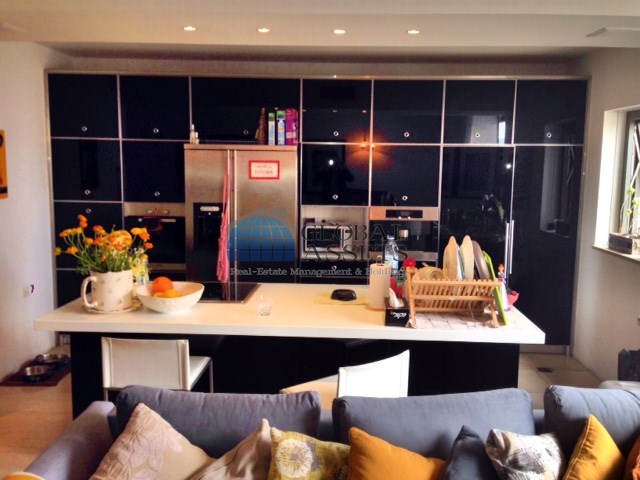
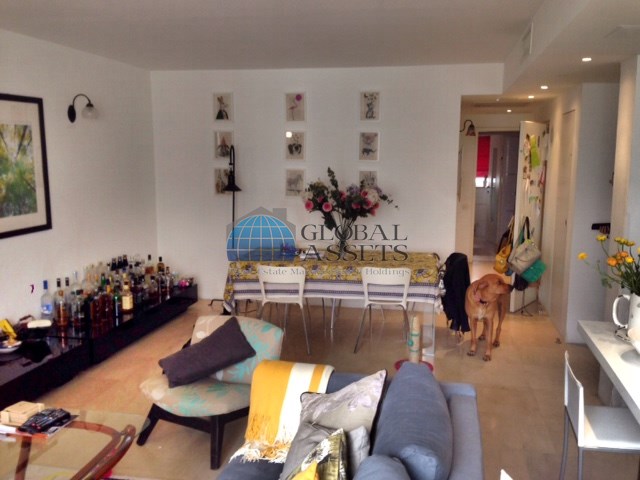
2.5Bedrooms For Sale In The Prestigious Lev Hair Project, Live in one of the most romantic and desirable neighborhood of Tel Aviv,Steps from the beach, shops, bars and restaurants minutes from Rothschild Blvd.
- 3.5 Rooms
- 2 Bedrooms
- 92 Sqm
- 2nd Floor
- Huge windows filled with light
- 2 Bathrooms
- Master bedroom
- Walk-in closet
- Equipped kitchen
- Elevator
- Private parking
- Spacious living
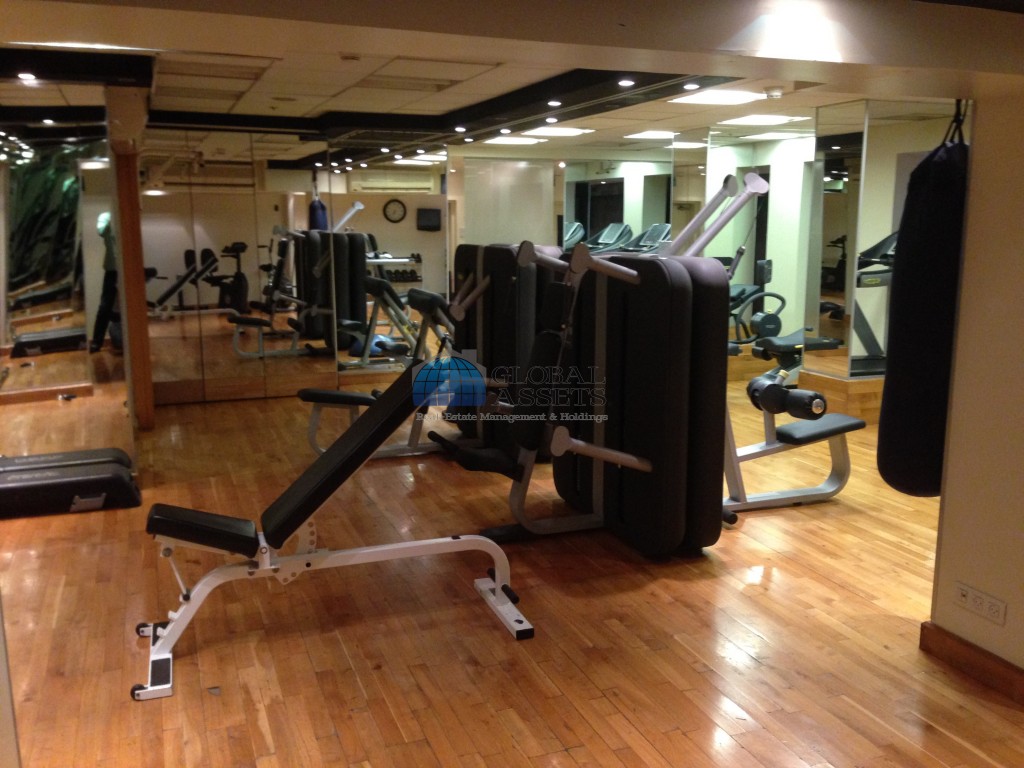
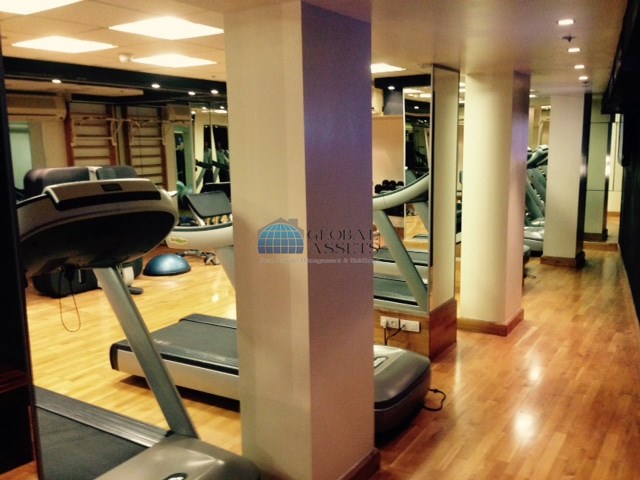
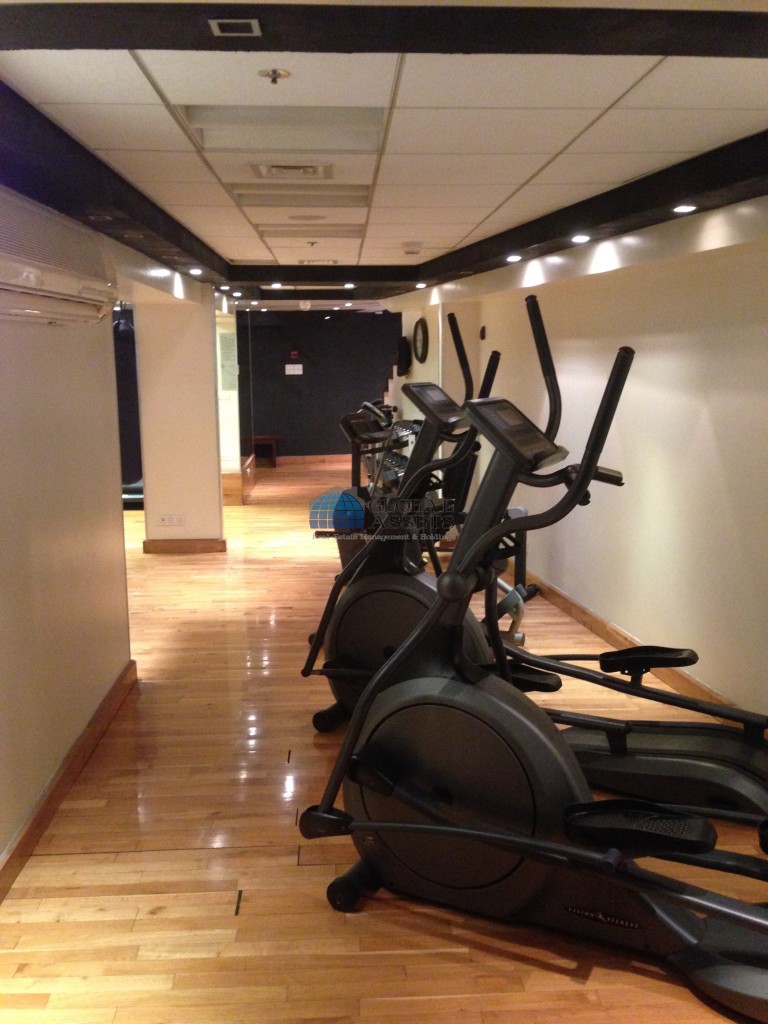
- The project includes:pool, spa, gym, hot sauna, wine basement and 24/7 security
- Maintenance fee: 2300 NIS
Asking Price:
6,500,000 NIS
Project Description
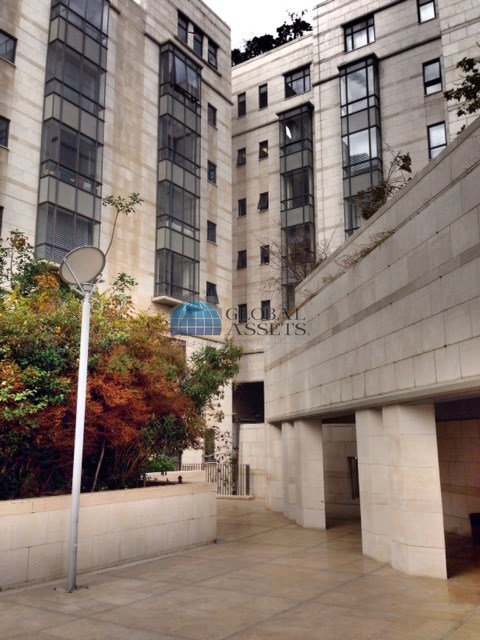
Each of the 176 apartments in the luxury Rova Lev Ha’ir complex has its own climate-controlled wine cellar with enough space for about 50 bottles. Now, that’s upmarket. Indeed, the 10,000 square meter gated community in the space once occupied by the Tel Aviv Hadassah Hospital is unblushingly billed and aggressively marketed as a “luxury living project in the heart of Tel Aviv.” Designed by highly regarded architect Ada Carmi-Melamed, Lev Ha’ir sits between Mazeh/Yavne and Balfour streets with entrances on both, controlled by cardkeys, each with its own individual code. A 26-story central tower swoops skyward, and the seven-story apartment block nestled around it is separated by paved walkways and ramps that may one day be softened by flowering vines trellised above them. Amenities include a swimming pool, spa and a raised formal garden that has a smashing view along Rehov Yavneh and is romantically lit at night.
Lev HaIr (Means in Hebrew: City Center) is a housing project in Tel Aviv, Israel. It is located on a sloping terrain in an old residential district. The project contains 176 apartments of different sizes in a U-shaped, six-storey high building that frames the site of a twenty-two storey tower.[1]
Most of the buildings in the neighborhood were built in the 1930s and 1940s, or even earlier. The buildings were built originally with three floors, but a roof-floor was later added to most of them. In many streets the style is European – the front turns to the sidewalk, without a fence or a backyard. This differs from the Israeli-style buildings of the 1950s, with the first floor on columns above the backyard or the parking. In some buildings you can still see the Shield Wall – a brick wall which covers the stairway entrance as refuge from the snipers firing from Jaffa at the Independence War, before most houses were designed with built-in shelters.
Today new houses are built in the International style and Eclectic style. Most of the old houses are either being torn down, or preserved and reconstructed.
